Types of finishing in printing
Good printing does not end with the application of ink. The way a product looks, how it feels to the touch and how it performs in use depend to a large extent on its finishing.
Varnishes, lamination, foil and embossing can provide additional protection, but they can also completely change the visual character of a printed product.
Varnish
What is varnish in printing?
Varnish is a transparent protective layer applied to printed materials to improve their appearance and durability.
It can be applied directly during printing or as an additional finishing step.
Varnish brings out the colours and protects the surface from scratches, fingerprints, damage and even light moisture.
Offset, aqueous and UV varnish
Depending on the product, the material and the desired effect, different types of varnish are used in printing.
Offset varnish creates a thin protective layer and is a cost-effective way of improving the appearance and resistance of printed material.
Aqueous varnish is a water-based coating that dries quickly and provides good surface protection. It is available in gloss and matt versions and is suitable for products that need to move quickly on to further finishing.
UV varnish cures instantly under UV light and delivers a more pronounced visual effect and a high level of protection. Gloss versions in particular can significantly enhance colours and create a striking, glossy surface.
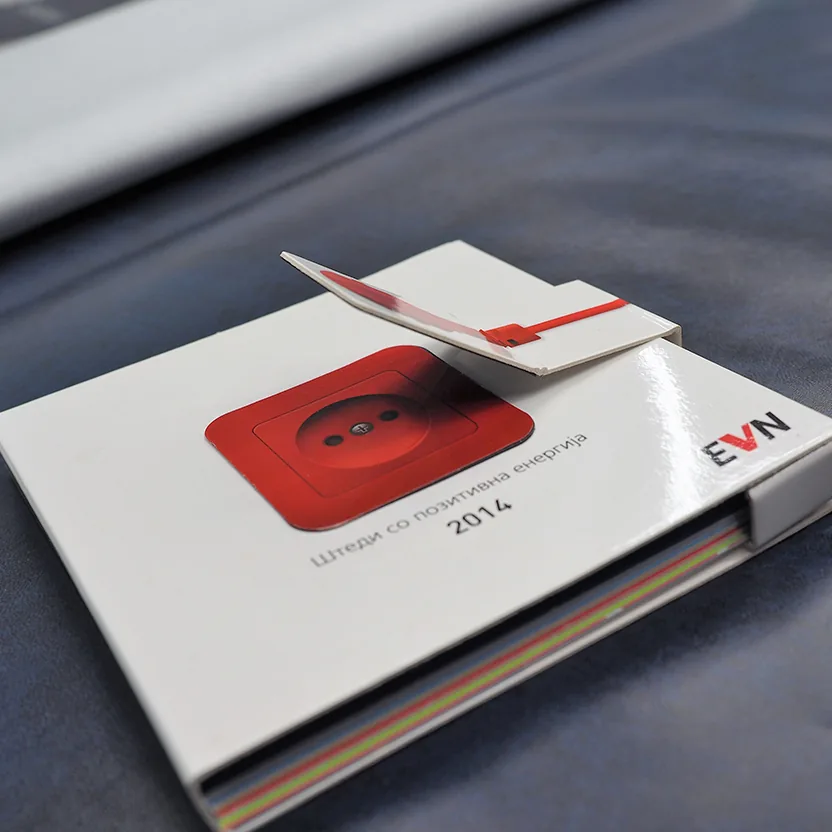
The choice of varnish depends on the material, the purpose of the product, the level of protection required and the visual effect we want to achieve.
Spot UV varnish
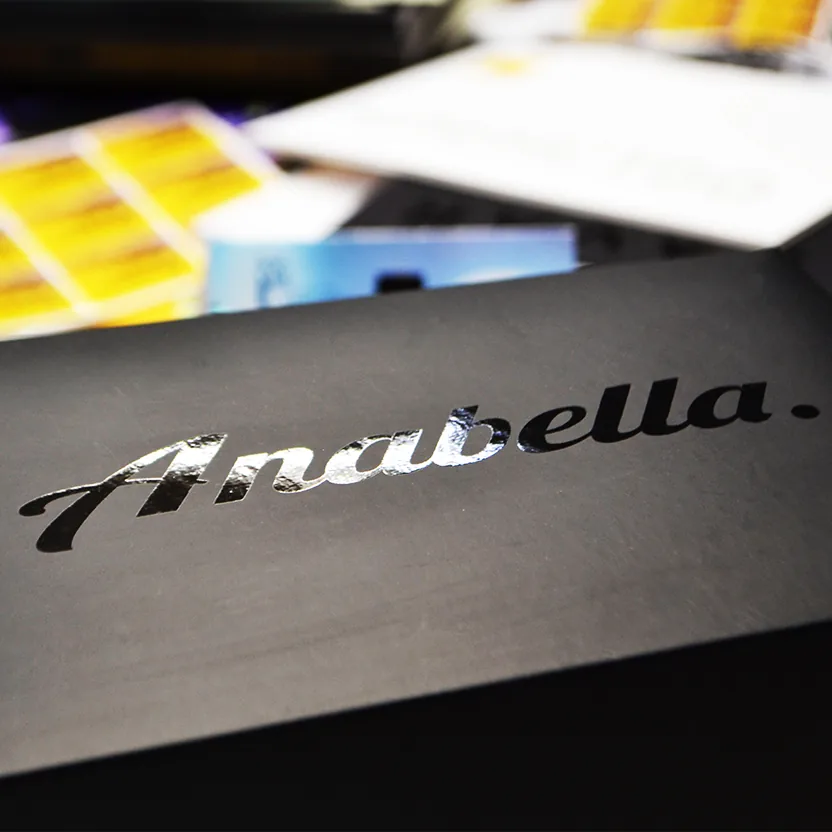
Spot varnish is used to highlight specific parts of a design, such as the logo, headings or individual visual elements.
This varnish is cured with UV light, producing a glossy, slightly raised or textured effect that can be 2D or 3D.

Lamination
For maximum protection and a refined look, printed material is laminated with a special plastic film applied over the printed surface. Several types of lamination are available, including:
- Gloss – for a strong shine and a high level of protection
- Matt – for a smooth, non-reflective surface
- Velvet (soft-touch) – for a soft, velvety feel and a premium look
Lamination provides additional protection and increases the durability of printed products such as menus, book covers and packaging, especially when they are handled frequently.
Hot foil stamping – a classic premium effect
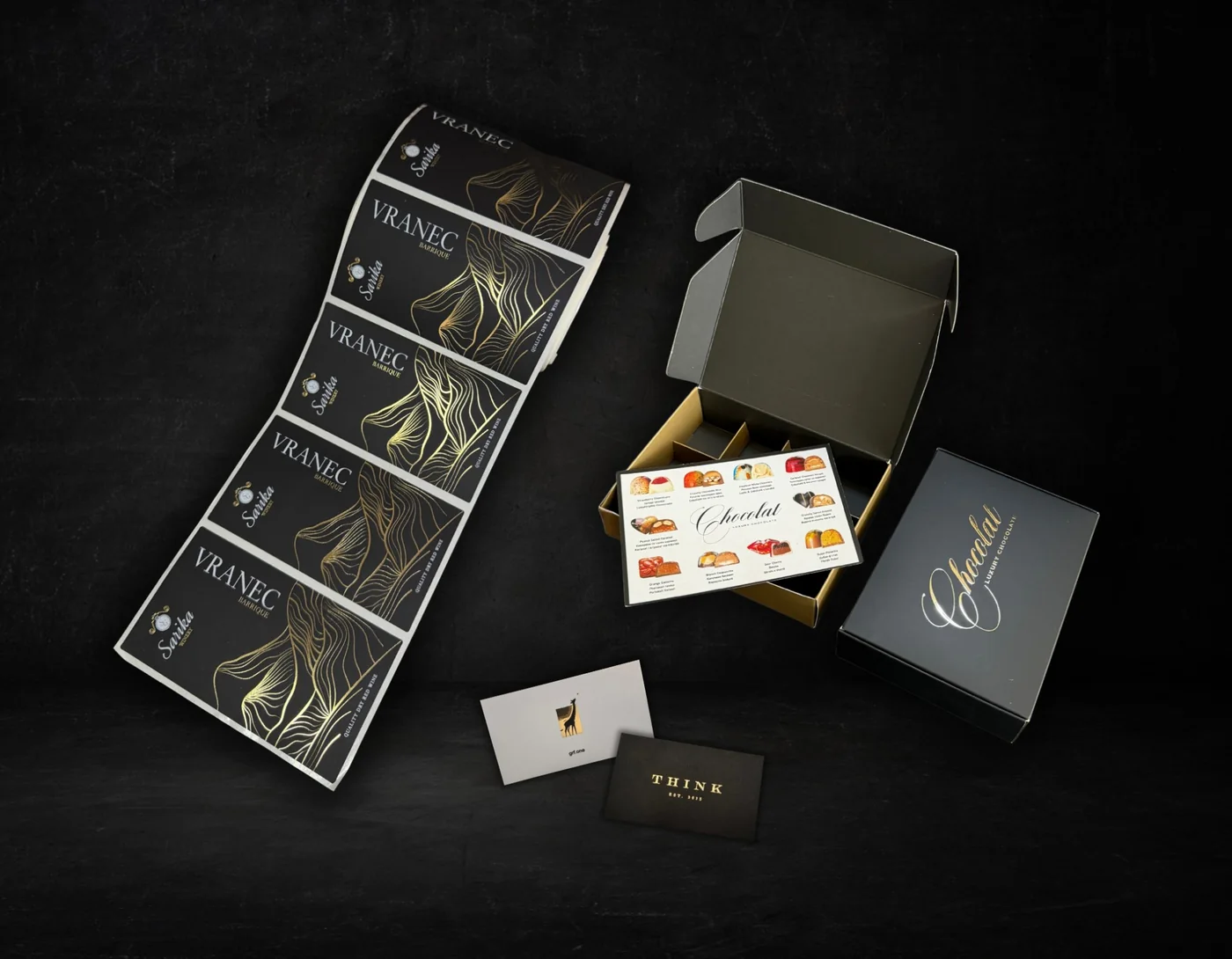
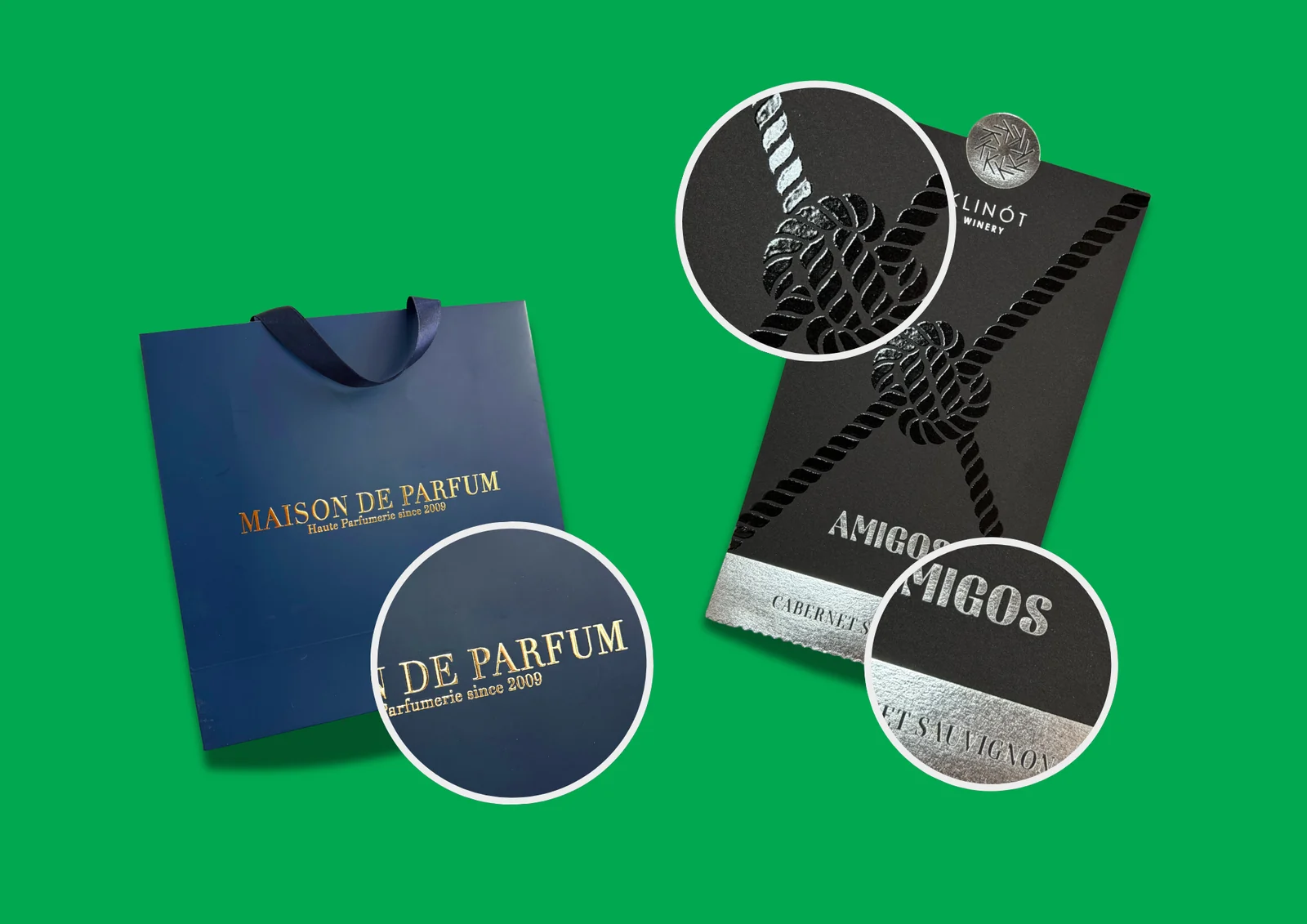
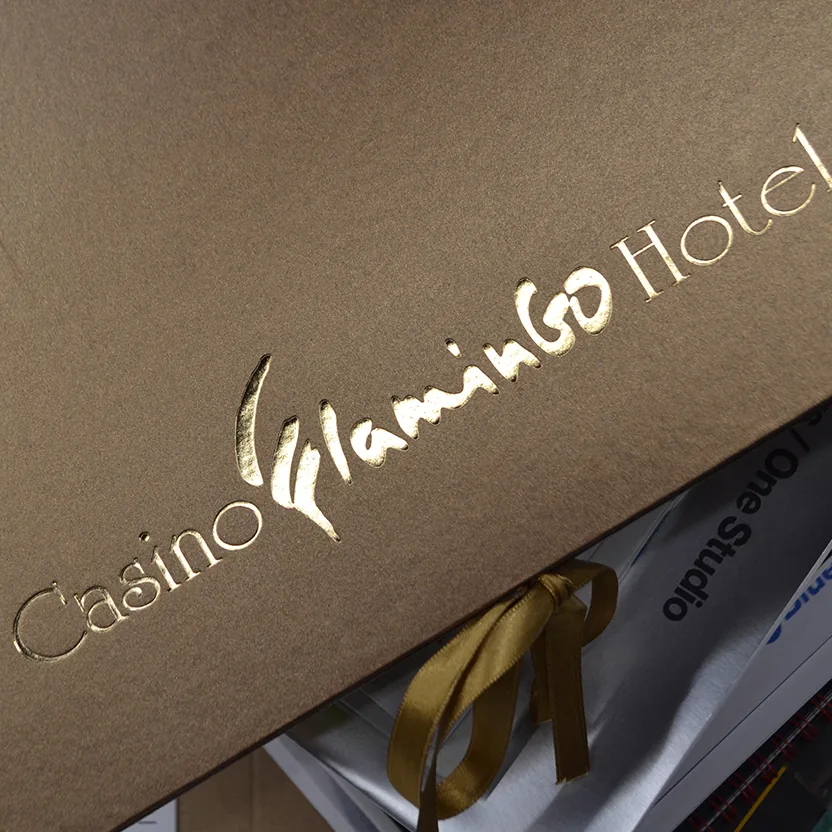
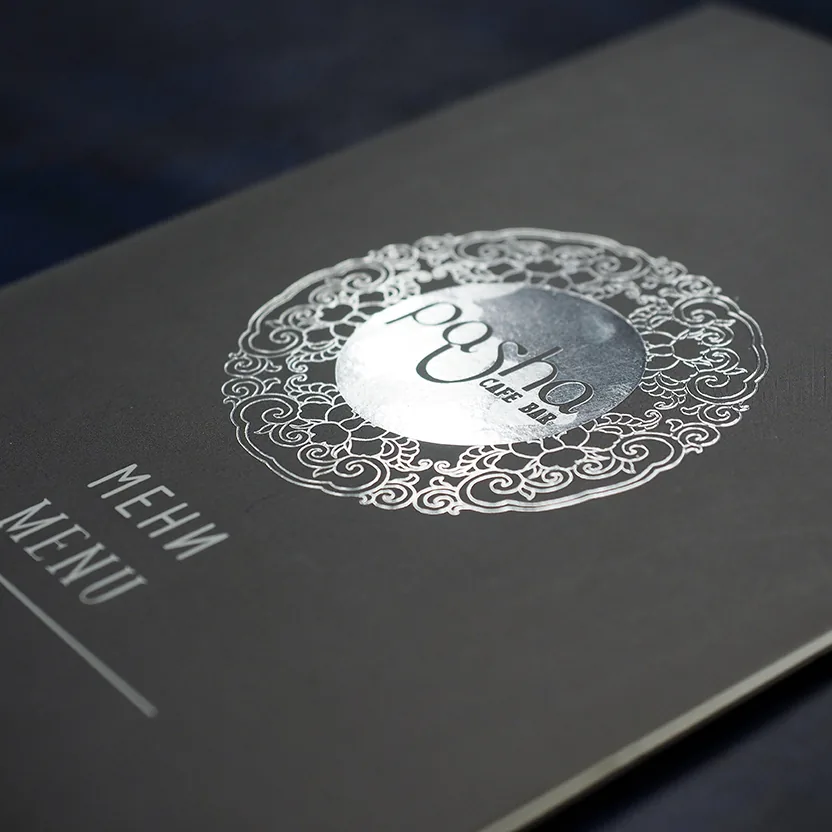
Hot foil stamping is a technique in which a combination of heat, pressure and a special die is used to transfer foil onto selected areas of the printed product.
Gold and silver foils are the best known, but other foil colours are also available.
Hot foil stamping creates a clean, precise metallic effect that is particularly good at highlighting logos, typography and decorative details.
Because of its distinctive look, it is often used on premium packaging, business cards, invitations, covers and other products where the details need to catch the eye immediately.
3D foil – a metallic effect in relief
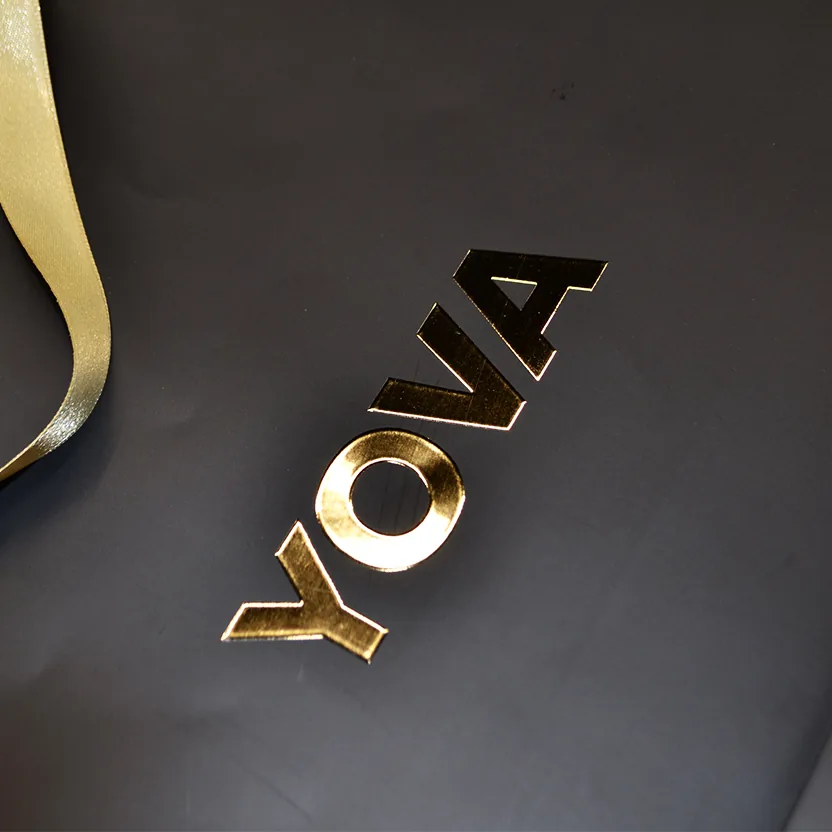
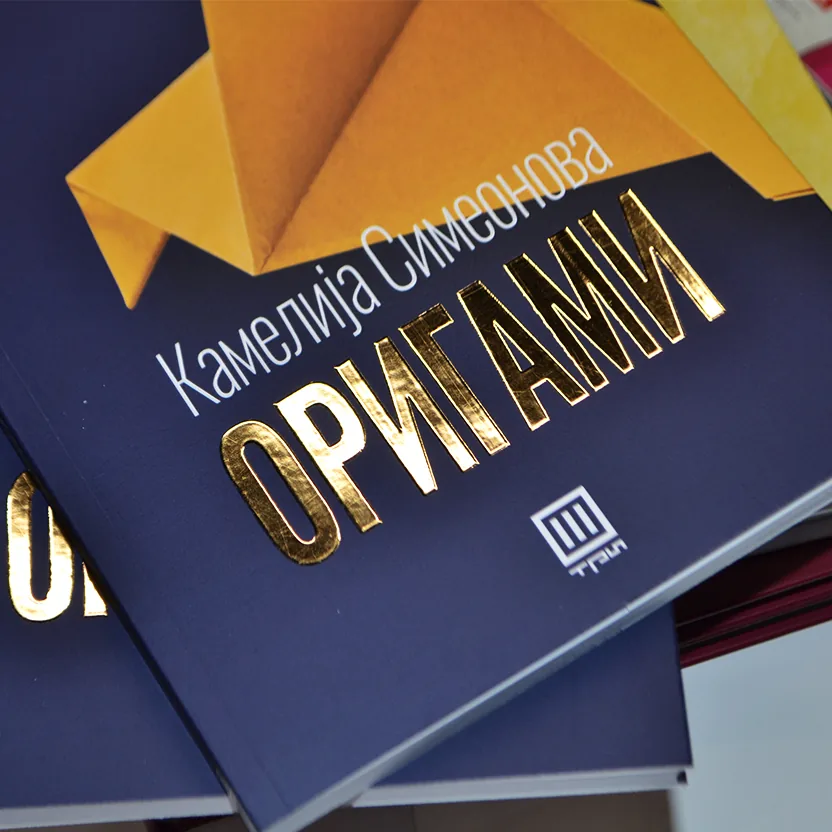
3D foil combines the visual effect of metallised foil with a pronounced raised texture.
Unlike traditional hot foil stamping, at Propoint we apply 3D foil digitally, with no need to make a die. This gives logos, text or decorative details shine, depth and a raised surface you can feel to the touch.
Embossing / debossing – relief created in the material itself
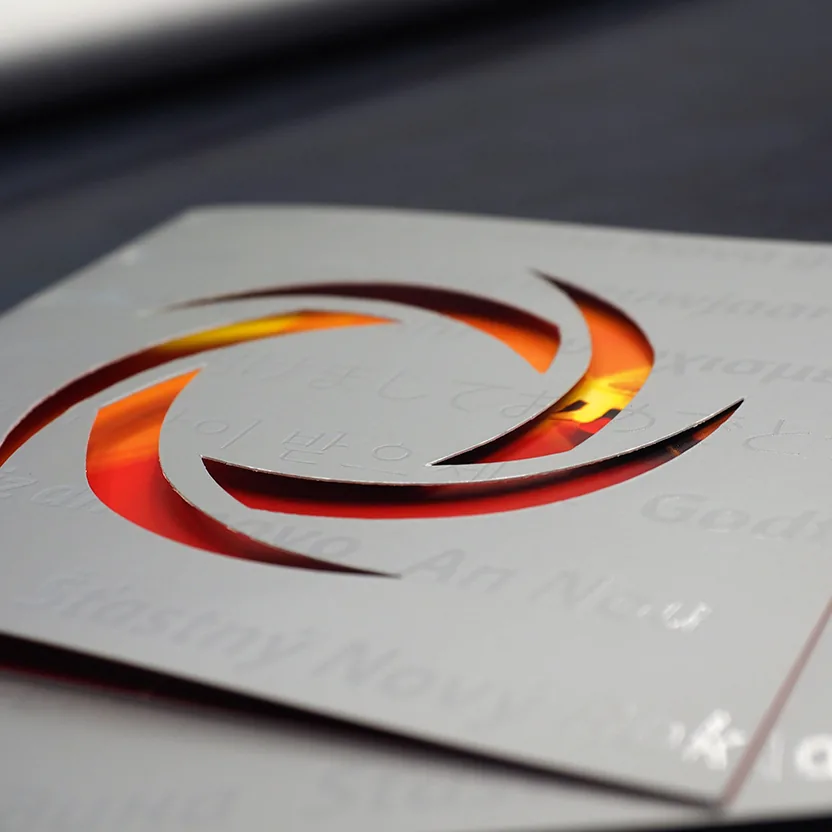
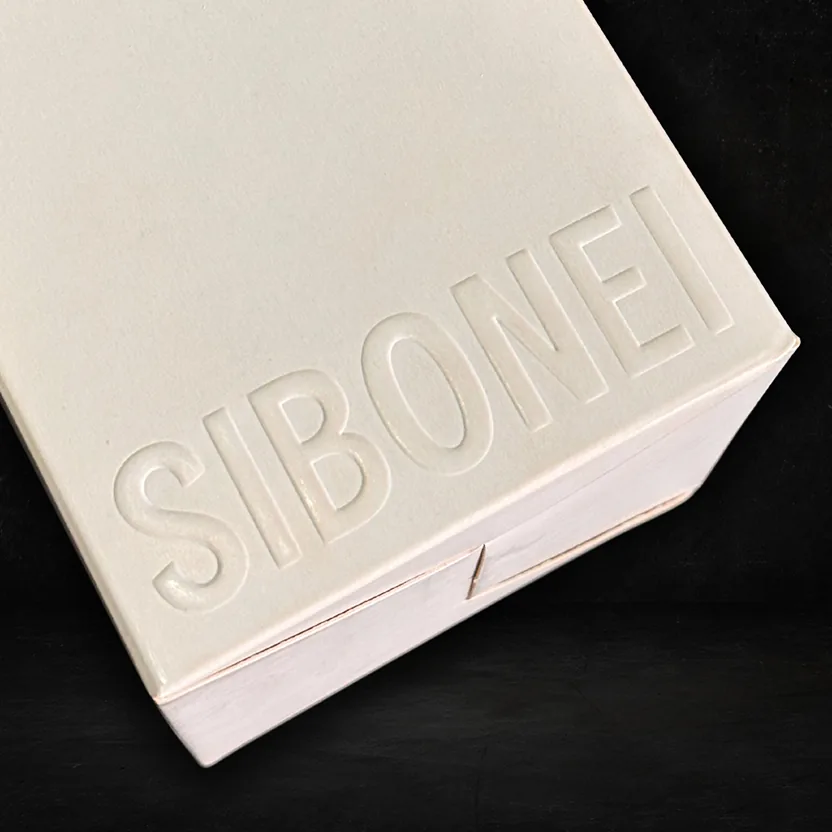
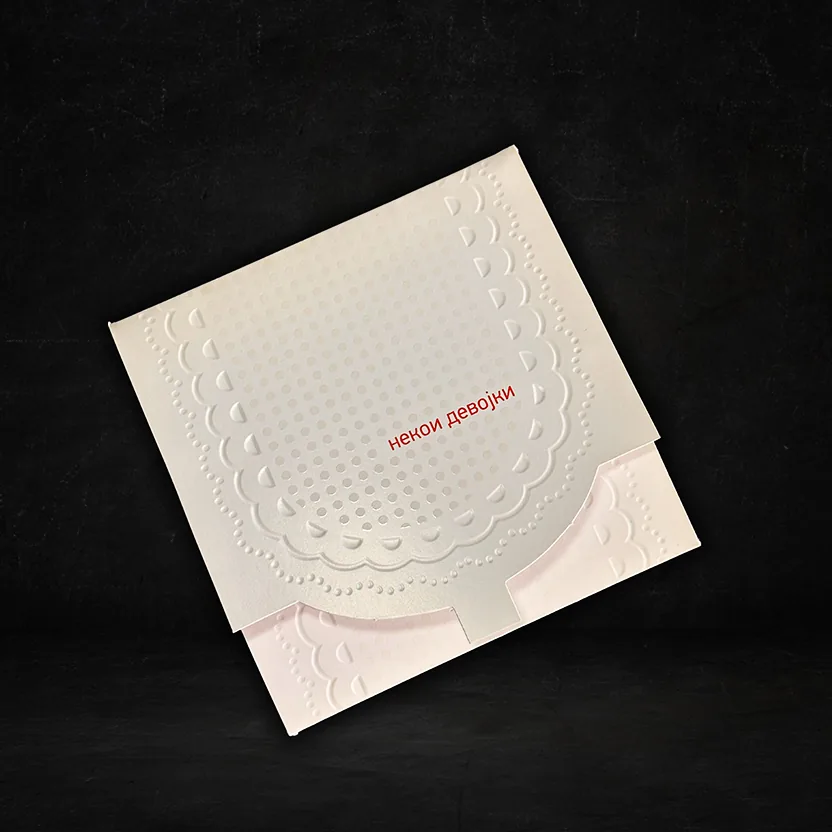
Embossing is a technique in which part of the material is physically shaped using pressure and specially made dies.
With embossing, the element is raised above the surface, while with debossing it is pressed inwards.
The effect can be subtle or pronounced, and it creates an additional interplay of light and shadow, as well as a distinctive feel to the touch.
Embossing can be used on its own, without ink or foil, or combined with hot foil stamping for an even more striking result. It is most often applied to logos, headings and decorative details on premium printed products.
📩 Need help?
At Propoint, we help you choose the right finishing solution to improve the look and durability of your printed material.