Finishing
Finishing
The details that turn print into an impression
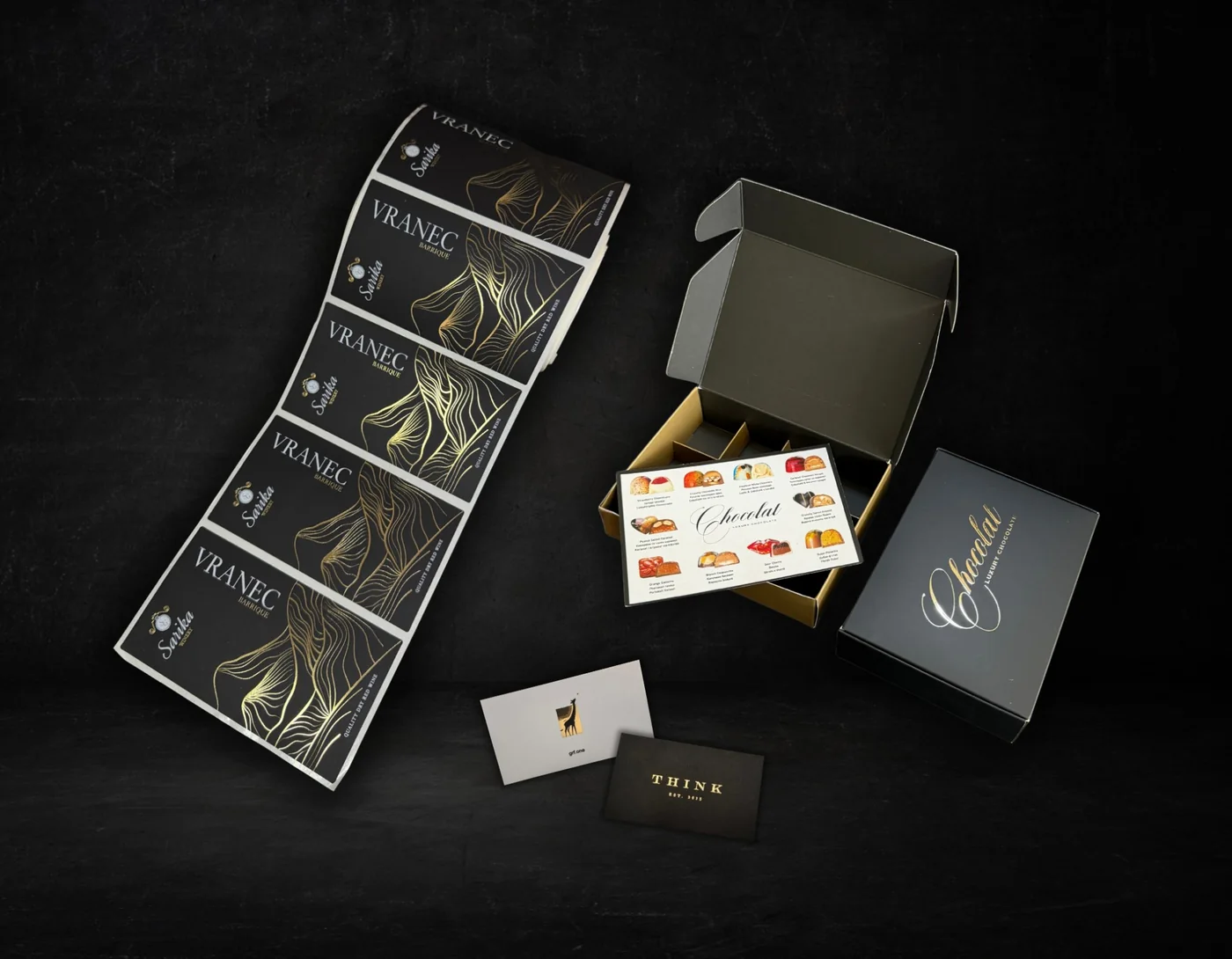
Finishing is the last step in production, and it can have a significant impact on the look of a printed product and the impression it leaves. With the right choice of techniques and materials, selected design details are emphasised, striking visual and raised effects are created, and special value is added to the finished product.
At Propoint, we offer a wide range of premium finishes that enhance both the look and the functionality of the product. Whether it is luxury packaging, labels, catalogues, business cards or promotional materials, the right finish can significantly increase their value.
Our finishing techniques
- Varnish (matt, gloss, and 2D and 3D spot UV varnish)
- Lamination (matt, gloss and velvet)
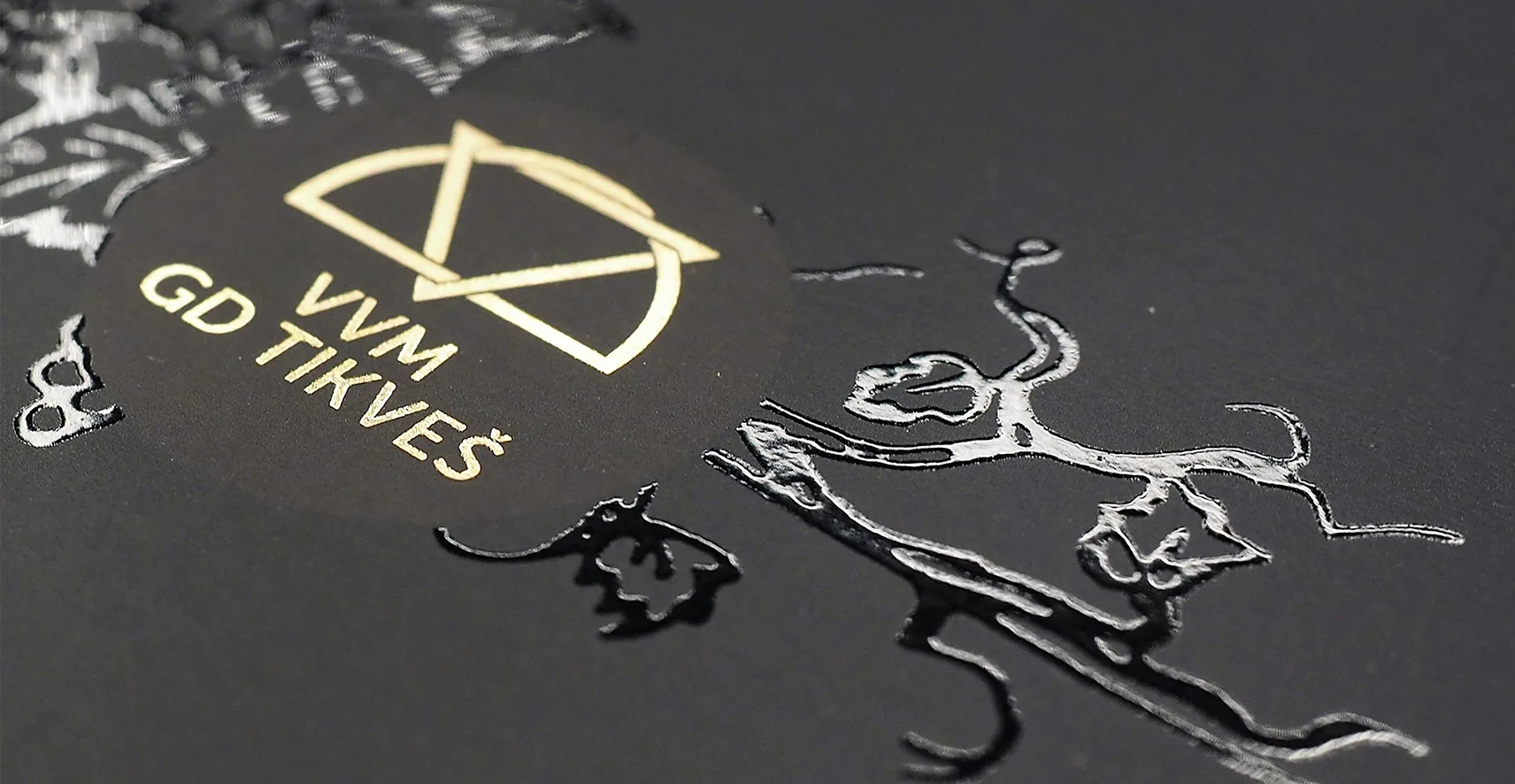
- Hot foil stamping and 3D foil
- Embossing
- Debossing
- Die-cutting
- Scoring, folding and gluing

Benefits of finishing
A well-chosen finish not only improves the look of the product but also strengthens brand recognition, creates a better user experience and gives the printed material additional protection.
Premium look
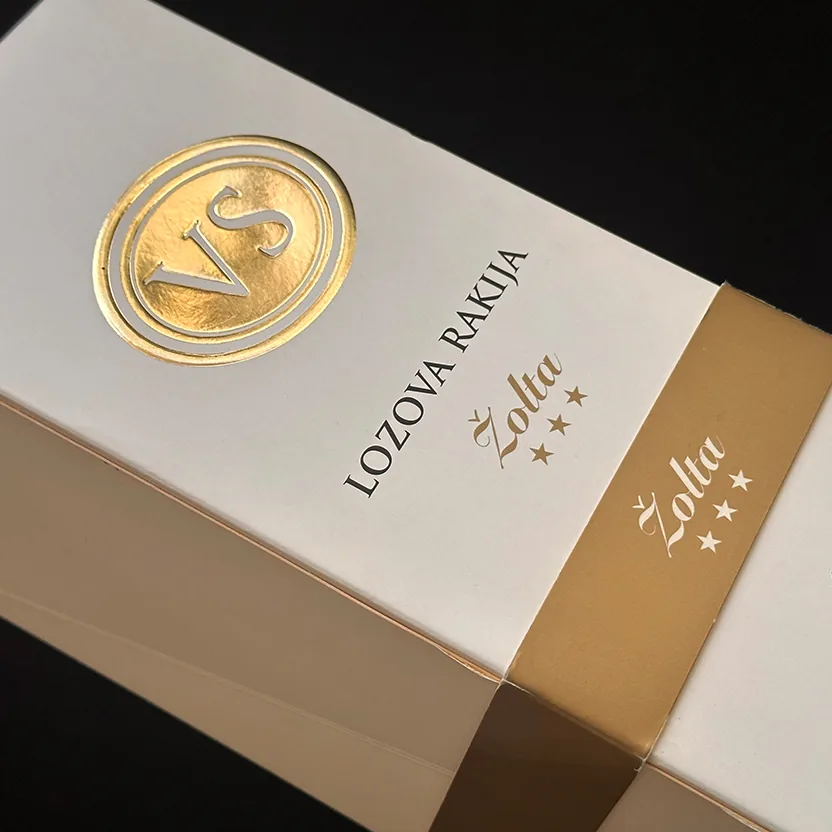
Special effects such as foil, spot UV varnish and embossing give the product a luxurious look and set it apart from the rest.
Added value
High-quality finishing conveys a sense of greater value and professionalism, leaving a strong first impression on customers.
Protection and durability
Lamination and protective varnishes shield the surface from scratches, moisture, fingerprints and everyday wear, extending the life of the product.
Frequently asked questions
The choice depends on the type of product, its purpose and the impression you want to make. Our team will help you choose the most suitable combination.
Varnish is applied as a thin protective or decorative layer directly onto the print, while lamination is a thin film that gives the surface additional protection and creates a different visual and tactile effect.
Spot UV varnish is a technique in which gloss varnish is applied only to selected elements of the design, creating contrast and highlighting the logo, text or graphics. It can be 2D or 3D.
Hot foil stamping is a technique in which metallic or coloured foil is applied using heat and pressure. It is most often used to create a luxurious effect on packaging, labels and business cards.
Embossing raises selected elements above the surface, while debossing presses them into the material. Both techniques create a striking three-dimensional effect.
Yes, different finishing techniques can be combined to achieve a distinctive visual and raised effect. The possible combinations depend on the type of material, the design and the technical characteristics of the product.
Some techniques require additional production steps, so they can affect the production time. For every project, we let you know in advance how long production will take.

The next impressive project could be yours.